
Starting a brand-new website in the current digital landscape often feels like trying to start a fire in a rainstorm. You pick a perfect domain name, set up a beautiful WordPress theme, and write ten pieces of high-quality content, only to find that months later, your site is still languishing on page ten of the search results. This phenomenon, often referred to as the Google sandbox, is the frustrating period where search engines simply do not trust a new domain enough to give it any significant traffic. It is a test of patience that many site owners simply cannot afford.
This is precisely why so many seasoned digital marketers have shifted their strategy. Instead of registering a fresh domain for ten pounds and waiting a year for results, they are heading straight to an aged domain marketplace. By purchasing a domain that already has a history, a backlink profile, and established authority, you are essentially buying a head start. It is the difference between planting a seed and buying a mature tree that is already bearing fruit. You skip the awkward growth phase and move straight into the period where your content can actually rank and generate revenue.
What exactly happens inside an aged domain marketplace
When we talk about an aged domain marketplace, we aren’t just talking about a list of expired names. A high-quality marketplace acts as a curated gallery of digital real estate. These platforms do the heavy lifting of vetting domains to ensure they haven’t been used for spam, haven’t been penalised by Google, and possess a genuine history of authority. They look for domains that were once legitimate businesses, blogs, or organisations that have since closed down, leaving behind a powerful SEO footprint.
In a typical marketplace, you will find various metrics that help you make an informed decision. These usually include:
- Domain Rating (DR) or Domain Authority (DA) from major SEO tools.
- The total number of referring domains pointing to the site.
- The age of the domain since its first registration.
- The topical relevance of the existing backlink profile.
- A history check via the Wayback Machine to ensure no ‘dodgy’ content was previously hosted.
By using a dedicated platform rather than hunting through raw lists of expired auctions, you are paying for the security of knowing the domain has been professionally audited. This reduces the risk of buying a ‘toxic’ domain that could actually hinder your progress rather than help it.

The hidden power of an established backlink profile
The primary reason anyone uses an aged domain marketplace is for the backlinks. In the eyes of search engines, a backlink is a vote of confidence. If a domain has been around for eight years and has links from the BBC, The Guardian, or well-known industry journals, it carries an immense amount of trust. Replicating that kind of link profile from scratch could take years of outreach and thousands of pounds in marketing spend.
When you acquire a domain with these links already in place, you are inheriting that trust. When you publish a new article on an aged domain, search engine crawlers recognise the existing authority of the site and are much more likely to index and rank the new content quickly. It is not uncommon to see articles on an aged domain reach the first page within days, whereas a new domain might take six months to achieve the same feat.
Why topical relevance is the secret sauce
While any powerful domain is better than a fresh one, the real magic happens when you find a domain that is topically relevant to your new project. If you are planning to start a site about organic gardening, finding an aged domain that used to belong to a local nursery or a gardening club is a goldmine. The existing links from other gardening blogs and botanical organisations tell search engines exactly what the site is about. This topical authority allows you to rank for competitive keywords much faster than if you were using a generic domain name.
How to spot a high-quality aged domain
Not all domains found in an aged domain marketplace are created equal. Even with the curation provided by these platforms, you should still perform your own due diligence. You want to ensure the domain’s history is as clean as a whistle and that its power is genuine rather than artificial. Professional SEOs look for specific ‘green flags’ when browsing these marketplaces.
Here are some of the key elements to look for when you are analysing a potential purchase:
- Natural link growth: You want to see a steady increase in links over time, not a massive spike followed by a drop, which often indicates a spam campaign.
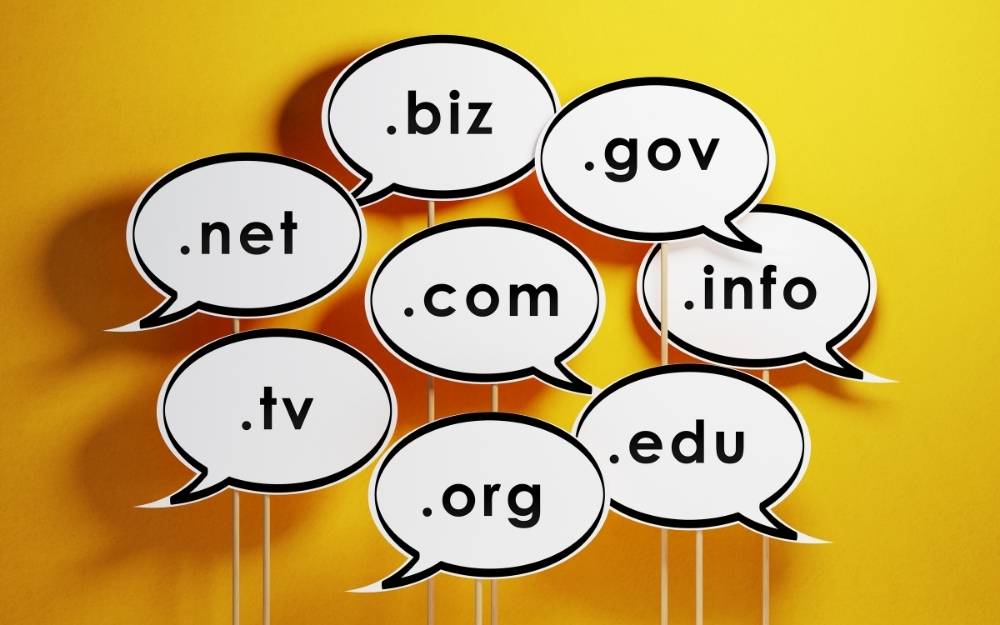
- High-quality referring domains: Look for links from .edu, .gov, or well-recognised news outlets and industry-specific sites.
- Clean anchor text: The words used to link to the site should be natural. If you see a lot of pharmaceutical or gambling-related keywords in the anchor text of a site about knitting, stay away.
- Consistent history: Check the Wayback Machine to ensure the site hasn’t changed its purpose five times in the last decade.
The strategic ways to use your new acquisition
Once you have secured a domain from an aged domain marketplace, you have a few different ways to utilise its power. The most common method is the ‘full build-out’. This involves launching a completely new website on the domain, essentially treating it as your main brand. This is the most effective way to build long-term value and a sustainable business.
Another popular strategy is the 301 redirect. This is where you buy an aged domain and redirect all of its existing power to your current main website. While this can provide a significant boost in rankings, it must be done carefully. You should only redirect domains that are highly relevant to your niche, and you should ideally redirect specific pages to relevant counterparts on your site to maintain the flow of link equity.
Finally, some marketers use these domains to build a Private Blog Network (PBN). While this is a more advanced and sometimes controversial strategy, using high-quality aged domains for this purpose ensures that the links you build to your other sites are coming from established, authoritative sources rather than ‘thin’ sites that search engines might easily ignore.
Avoiding the common pitfalls of buying domains
While the benefits are clear, there are risks if you don’t know what you are looking for. The biggest mistake people make is buying based on metrics alone. A domain might have a DR of 40, but if those links are all from low-quality, automated directories, that number is meaningless. You must look at the actual sources of the links. Are they from real websites with real traffic?
Another pitfall is ignoring the ‘trademark’ risk. Just because a domain is available in an aged domain marketplace doesn’t mean it is free of legal entanglements. Always check if the name is trademarked in your target region to avoid a ‘cease and desist’ letter arriving just as your site starts to take off. Most marketplaces try to filter these out, but the final responsibility always lies with the buyer.
Consider the following checklist before you finalise any purchase:
- Verify that the domain is currently indexed in Google.
- Check the ‘Spam Score’ in tools like Moz, but take it with a pinch of salt.
- Ensure the domain hasn’t been used as a redirect for a completely different niche in the past.
- Confirm the domain has no active manual actions in Google Search Console if the seller provides access.
By taking a methodical approach and using a trusted aged domain marketplace, you can significantly reduce the time it takes to see a return on your investment. In a world where digital competition is fiercer than ever, starting with an advantage isn’t just a luxury—it is often a necessity for success. Whether you are building a niche affiliate site, a local business lead generation tool, or a massive content hub, the foundation of a strong, aged domain can be the deciding factor in whether you reach the top of the search results or stay buried in the archives.

Grace Hamilton is an experienced tech journalist with a passion for exploring innovations in cloud computing and media solutions. Her work centers on breaking down technical concepts, offering best practices, and keeping readers informed about the latest trends in secure digital hosting.