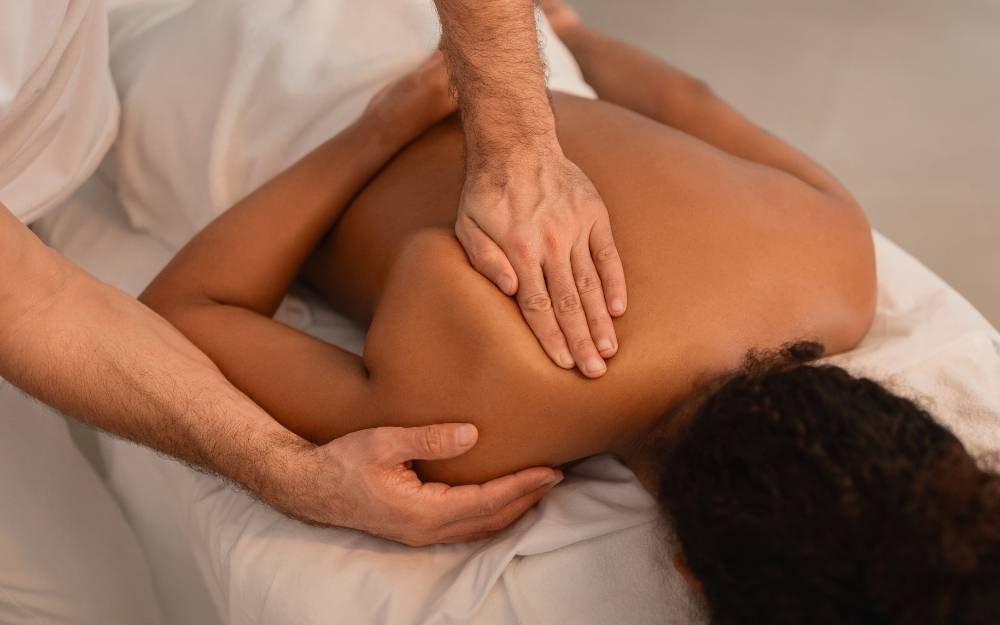
Living in a city as vibrant and fast-paced as Glasgow has its perks, but the physical toll can be significant. Whether you are navigating the steep hills of the West End, commuting through the city centre, or spending long hours at a desk in one of the many offices near George Square, your body carries that stress. Often, a standard spa treatment isn’t quite enough to shift the deep-seated tension that builds up in our shoulders and lower backs. This is where a deep tissue massage glasgow becomes less of a luxury and more of a necessity for maintaining physical health.
Many people mistake deep tissue work for a standard relaxation massage, but the two are worlds apart. While a Swedish massage focuses on surface-level relaxation and light strokes, a deep tissue session is a more targeted, clinical approach. It is designed to reach the deeper layers of muscle and the surrounding connective tissue, known as fascia. If you have ever felt a ‘knot’ that just won’t budge no matter how much you stretch, you are likely dealing with an adhesion. These are bands of painful, rigid tissue that can restrict circulation and limit your range of motion.
Why Glaswegians are prioritising their physical recovery
Glasgow has a growing culture of health and fitness. From the runners circling Kelvingrove Park to the weekend warriors at local CrossFit boxes, people are pushing their bodies harder than ever. However, increased activity often leads to increased muscle tightness. Without proper recovery, these minor niggles can turn into chronic injuries that keep you away from the sports you love. This is one of the primary reasons why seeking a professional deep tissue massage glasgow has become so popular among the local athletic community.
It isn’t just athletes who benefit, though. The modern ‘office posture’—shoulders hunched forward, neck strained toward a screen—is a recipe for chronic pain. This repetitive strain leads to a tightening of the pectoral muscles and a weakening of the upper back, creating a cycle of discomfort. A specialised therapist can help break this cycle by manually releasing the tension in those overworked muscle groups, allowing your body to return to a more natural, upright alignment.
What actually happens during a deep tissue session
If you are new to this type of therapy, you might be wondering what to expect. It is important to be honest: it is not always a ‘relaxing’ experience in the traditional sense. Because the therapist is working on deeper layers of tissue, there can be moments of intense pressure. However, a good therapist will always work within your pain threshold. The goal is ‘productive discomfort’ rather than actual pain. You should always feel that the pressure is doing something useful.
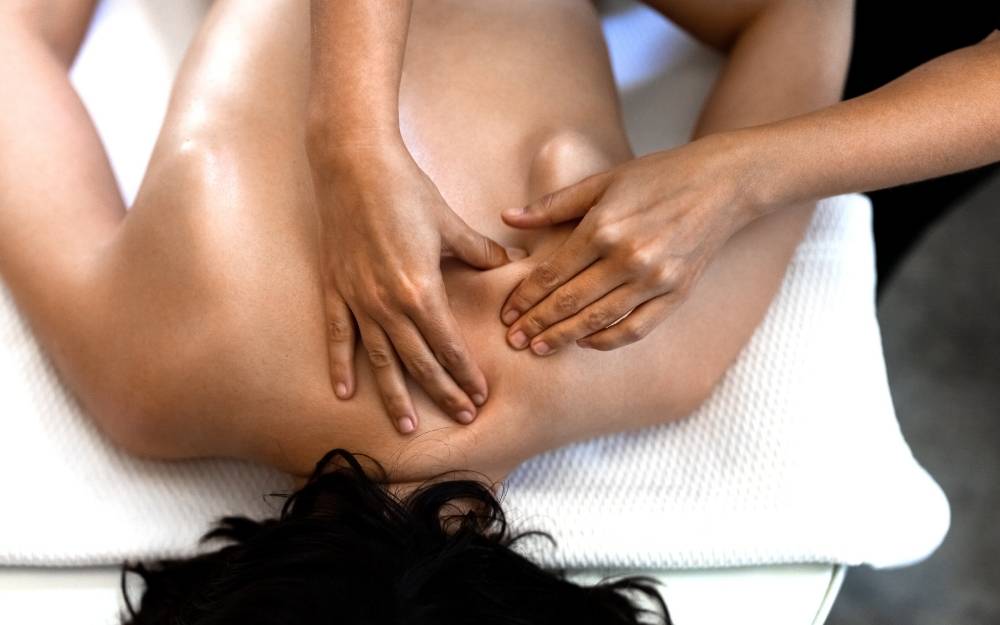
During a session, the therapist will typically use their forearms, elbows, and knuckles to apply slow, deliberate pressure. This helps to:
- Break down scar tissue and adhesions that cause stiffness.
- Increase blood flow to specific areas, which aids in the healing process.
- Reduce inflammation by flushing out metabolic waste products from the muscles.
- Improve the overall flexibility of the muscle fibres.
The physiological benefits you might not expect
While the physical relief of a deep tissue massage glasgow is the main draw, the benefits extend far beyond just loosening up a tight calf muscle. When your muscles are chronically tight, your nervous system is often stuck in a ‘fight or flight’ state. The physical act of releasing that deep tension sends signals to the brain that it is safe to relax. Many clients find that after a session, they sleep better, feel less anxious, and have a clearer head.
Furthermore, this type of therapy is an excellent tool for injury prevention. By identifying areas of tension before they become full-blown problems, you can keep your body functioning at its best. It is much easier to manage a slightly tight hamstring now than it is to deal with a tear three months down the line. Regular maintenance is the key to longevity, especially if you have a physically demanding job or a high-impact exercise routine.
Common conditions that respond well to deep tissue work
Many people find their way to a clinic after trying various over-the-counter remedies with little success. Deep tissue work is particularly effective for several common issues that many of us simply ‘put up with’ on a daily basis:
- Chronic lower back pain: Often caused by tight hip flexors or glutes pulling on the spine.
- Sciatica symptoms: Where tight muscles in the gluteal region compress the sciatic nerve.
- Tension headaches: Usually stemming from extreme tightness in the neck and upper trapezius muscles.
- Fibromyalgia pain: While it requires a gentle approach, targeted pressure can help manage the sensitivity associated with the condition.
- Repetitive strain injuries (RSI): Common in those who use computers or manual tools for several hours a day.
How to prepare for your appointment
To get the most out of your deep tissue massage glasgow, it helps to do a little bit of preparation. First, make sure you are well-hydrated. Hydrated muscles are more pliable and easier to work on than dehydrated ones. It is also a good idea to avoid eating a heavy meal right before your session, as you will likely be lying on your stomach for a significant portion of the time.
Communication is the most important part of the process. Your therapist isn’t a mind reader, so you should feel comfortable speaking up about the pressure. If something feels too intense, or if you feel a specific area needs more attention, let them know. They are there to help you, and the best results come from a collaborative effort between the client and the practitioner.
What to do after your treatment
After a session, it is normal to feel a bit of ‘good’ soreness for a day or two. Think of it like the feeling you get after a particularly tough workout. Your muscles have been manipulated and stretched in ways they aren’t used to, and they need time to settle down. To help the recovery process, you should consider the following:
- Drink plenty of water: This helps your kidneys process any metabolic waste released during the massage.
- Take a warm bath: Adding Epsom salts can help further relax the muscles and reduce any post-massage inflammation.
- Avoid strenuous exercise: Give your body at least 24 hours to recover before heading back to the gym or going for a long run.
- Gentle movement: While you shouldn’t do a heavy workout, light walking or gentle stretching can help keep the blood flowing and prevent stiffness.
Ultimately, taking care of your body is an investment. In a city like Glasgow, where we are always on the move, it is easy to ignore the signals our bodies send us. We wait until the pain is unbearable before we seek help. By incorporating regular deep tissue work into your routine, you are taking a proactive step toward better health, better movement, and a much more comfortable daily life.

Grace Hamilton is an experienced tech journalist with a passion for exploring innovations in cloud computing and media solutions. Her work centers on breaking down technical concepts, offering best practices, and keeping readers informed about the latest trends in secure digital hosting.